





Newest Features
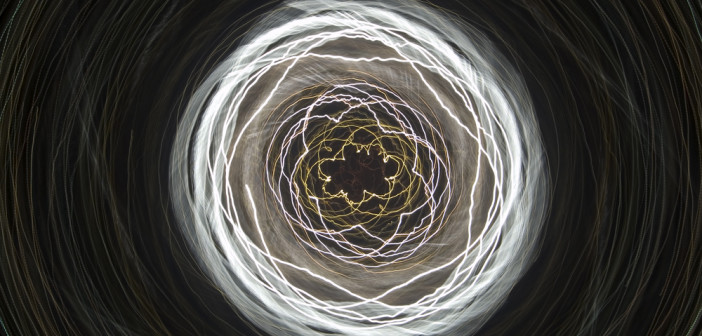
“All things that spin. Also row. / There is inside it / something sun.” —Cole Swensen Two friends stand on a winter beach. Small cold waves hiss toward them on the sand. A fringe of seaweed that bears an uncanny resemblance to so much unraveled cassette tape makes a ragged outline of high tide along the shore. When the friends do not talk, which for long stretches they do not, they hear the sibilant repetition of the sea and, occasionally, the bass thrum of a boat’s motor or the baritone honk of…
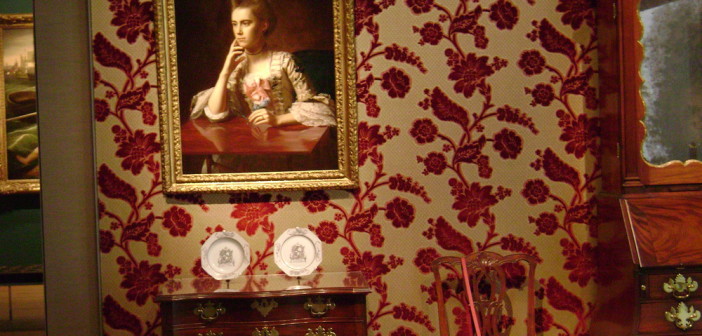
Exploring identity in her modernist novel Orlando, Virginia Woolf suggests that people wish to be in a state “stilled, and become, what is called, rightly or wrongly, a single self, a real self.”1 It is easy to see a traditional portrait as representing that “stilled . . . real self,” especially when one moves away from a fragmented Picasso figure to eighteenth-century portraits, such as the Museum of Fine Arts’ collection. When the artist is John Singleton Copley, realistic faces meet our eyes with directness and warmth, and luxurious surroundings indicate an…
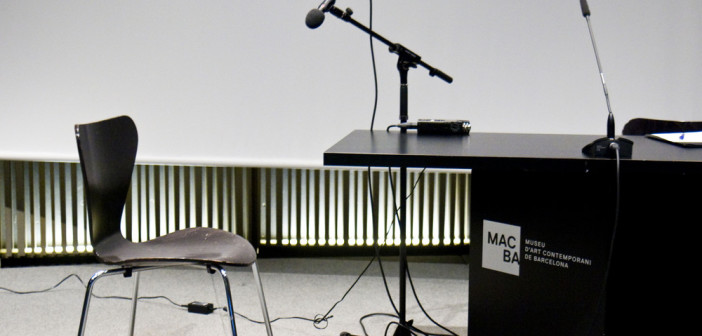
Barcelona’s Museum of Contemporary Art (MACBA) opened its doors in the city’s Raval district in 1995, though its Foundation dates back to 1987, when a broad cross-section of Catalan civil society and private companies created the MACBA Foundation. The Foundation, together with the Government of Catalonia, Barcelona’s City Council and the Ministry of Culture, form the MACBA Consortium, whose founding mission was to manage the Museum and establish a permanent collection representing current trends in Contemporary Art. Early in 2012, after a long period of conceptualization, the Museum launched a redesigned website…
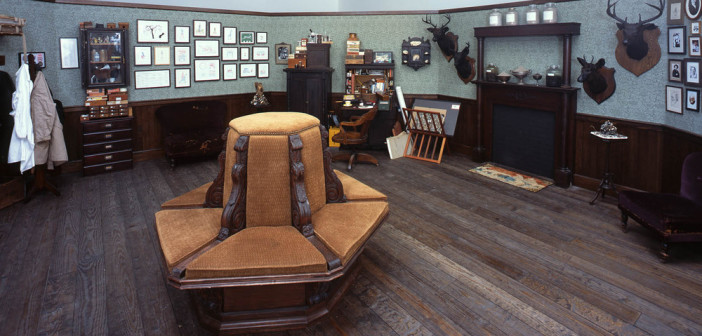
As an artist, curators have always mystified me a bit. I once had a curator tell me that he preferred to work with “dead artists, because they put up less of a fuss”. I was instantly offended but ultimately, begrudgingly, I could understand what he was getting at. Artists have a solemn duty to advocate for their work, and ego is a vital ingredient in the pie of success. I probably won’t be the last to admit, at times artists can be downright “enfant terribles.” Therefore, it must take a certain kind…
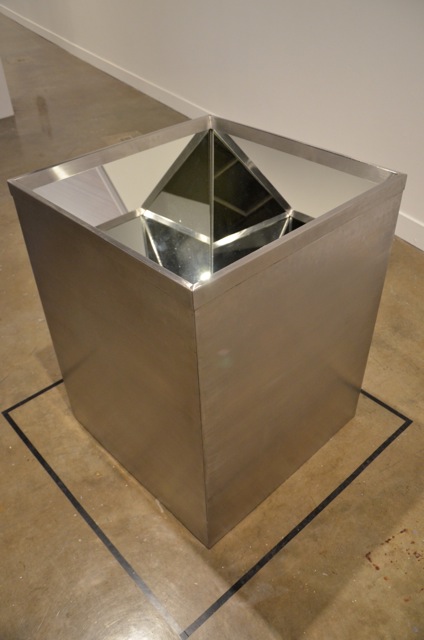
The MIT List Visual Arts Center has recently concluded the excellent exhibition, In the Holocene, which proposes fascinating parallels and conditions regarding artistic and scientific speculation. Using the rubric of Robert Smithson’s artistic inquiries (his work is represented several times in the show), Big Red & Shiny contributor Ben Sloat recently spoke with the curator of the MIT LVAC, João Ribas, on the variety of ideas, artworks, and practices included in this exhibition. ••• Ben Sloat: Robert Smithson has spoken about how when an artwork develops a commodity value, artists become estranged…
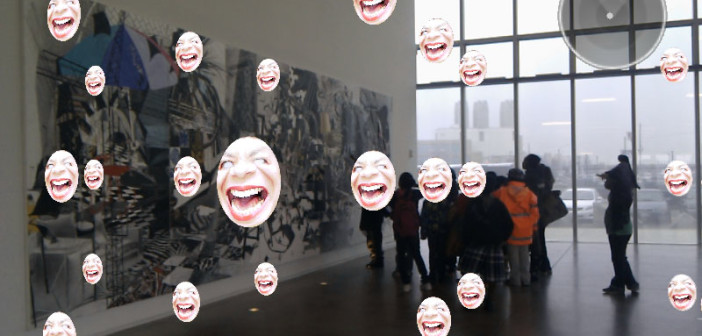
There can be no art revolution that is separate from a science revolution, a political revolution, an education revolution, a drug revolution, a sex revolution, or a personal revolution . . . —Lee Lozano, Statement for Art Worker’s Coalition, 1969. If you listen to certain voices you will be told that art is irrelevant; that it is not required to succeed in life; that there are better, more profitable things to do. If you are involved in any sociopolitical issue—which means you have a pulse—you know the lie of this alleged wisdom.…
A little less than four years ago when it was suggested that I use Twitter for work purposes, I immediately shrugged and didn’t give it a chance. Fast forward to two years later, I joined Twitter mostly to promote my blog, but found myself instead interacting with people and making connections around shared interests. Twitter immediately grew on me and has introduced me to people from all walks of life, and has also led me to explore museums I wouldn’t otherwise have visited, if not for their engaging and interesting Twitter feed.…
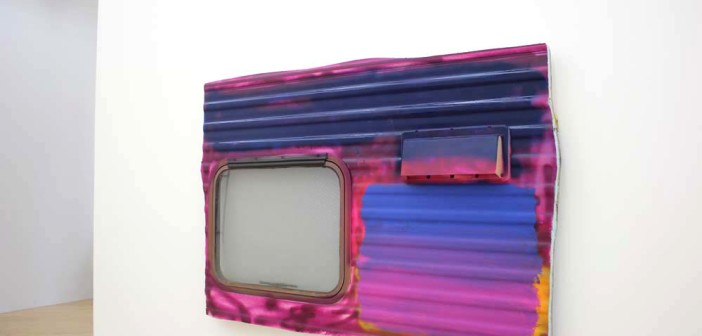
The editors would like to congratulate Sarah Braman as the MFA has announced that she was awarded the Maud Morgan prize for 2013. Established in 1993, the Maud Morgan prize recognizes women’s contributions “to the contemporary arts landscape” on a biennial basis. The Morgan prize awards a solo show and cash to an artist living in Massachusetts. Sarah Braman’s work is bold. Her individual style is fairly easy to explain in words (chunks of things, mostly at angles with vibrant colors, often from spray paint) while the effect of her work…