





Newest Features
In a poor, farm-dense region of South Korea with a complicated political history1, art with an explicit emphasis on radical political activism has been challenging—and perhaps pushing—international biennale culture for almost 20 years2. This year, the biennale faced some political challenges of its own: A battle over the censorship of a commissioned painting about the April 2014 ferry disaster (that depicted the country’s president as a puppet3) resulted in the city threatening to cut funding and the resignation of the biennale’s co-founder and president4. “Burning Down the House,” the theme of this…
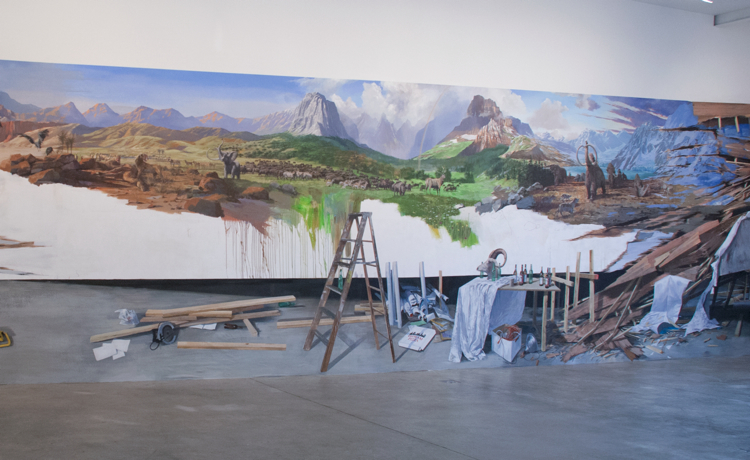
There’s no such thing as nature. For some, this is a commonplace fact: there is virtually no place on earth untouched by human beings, especially if we consider the subtle, universal changes of the earth’s ecosystems caused by anthropogenic climate change. For others, this fact stirs up deep anxiety: What exactly do nature skeptics think trees and glaciers are if not natural, and if we deny the existence of nature, what are environmentalists supposed to protect? And what exactly do the deniers think we will be left when humans are long gone…
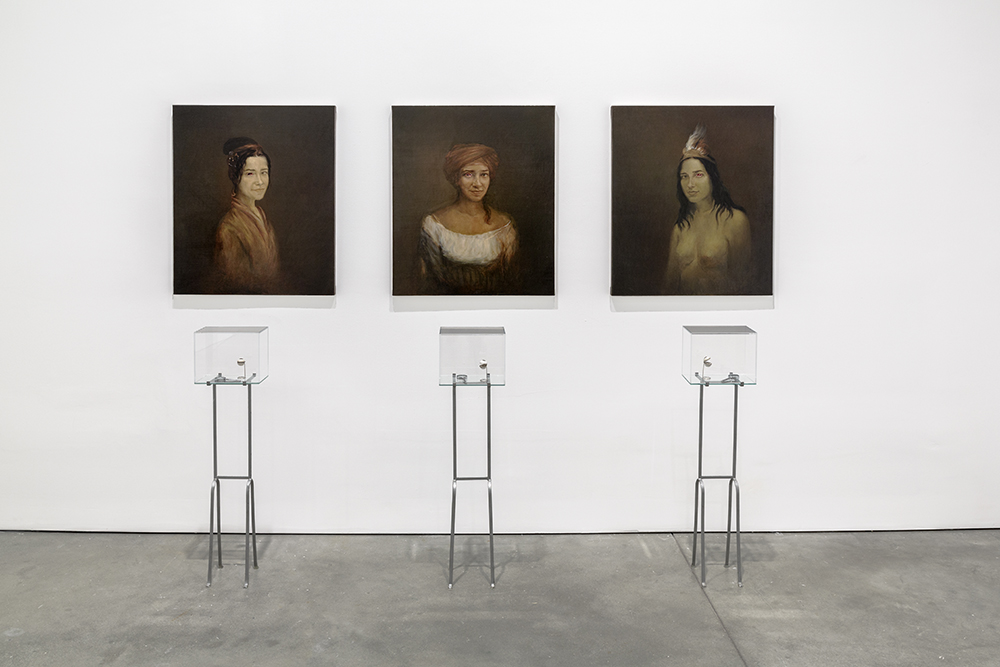
Cannibalism “was a nationalist strategy of cultural anti-imperialism, according to which the culture imposed by the First World should be devoured, digested, and recycled according to local needs.” —Film Reference, on Brazil’s Cinema Novo Speaking with ICA Assistant Curator Anna Stothart, at the opening reception for her first solo museum show in the United States, Brazilian artist Adriana Varejão provided some crucial insights toward understanding the conceptual grounding of her works on view. A name, briefly mentioned during that conversation, which is not listed in any of the publicity or didactic materials…
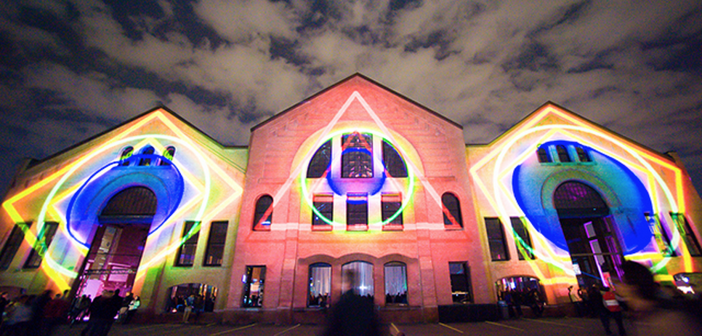
In case anyone was wondering what Boston—its artists, its technical whizzes, its city agencies and “urban mechanics” (thank you, Tom Menino), its property owners, its neighborhoods, its private sector—was capable of regarding art in public places and collaboration, the answers started coming fast and furious sometime around 6pm in the evening of October 25th, in Boston’s SoWa district. There, crowds started to gather for, and then wander through, the first, and certainly not the last, Illuminus Festival: an array of light/projection/ performance/interactive spectacles from nearly three dozen local artists whose collective, and…

As the commercial film industry completes its migration to digital technology, analog film, and the processes and projection technologies associated with it, face obsolescence. A number of artists continue working with celluloid film however, drawn to its unique material and metaphoric capacities. Some of them are at the forefront of a movement to preserve photochemical film, and museums and galleries are becoming a critical part of these efforts. “The Dying of the Light: Film as Medium and Metaphor” is an homage of sorts. Curator Susan Cross has gathered the work of six…
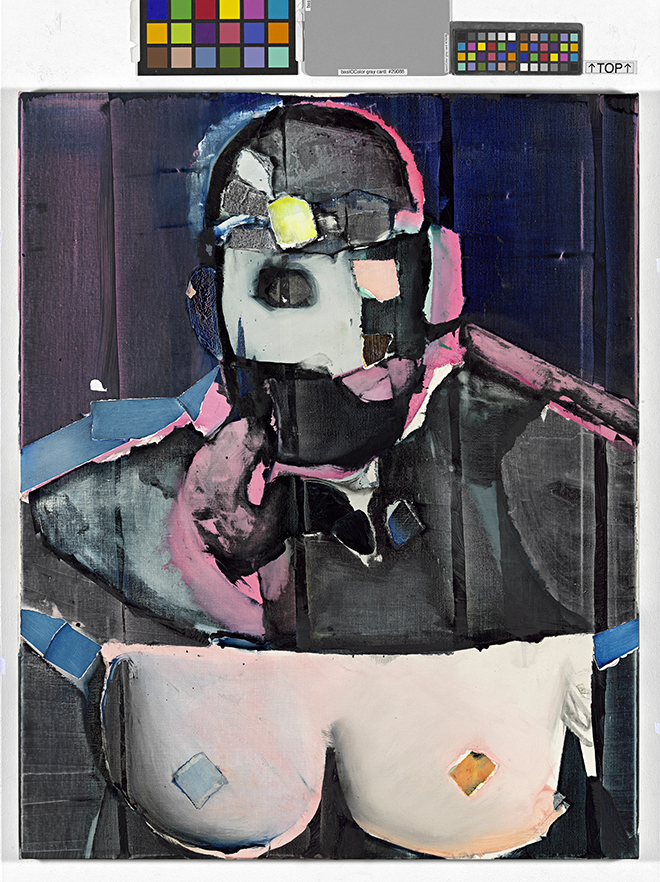
The Rose Art Museum at Brandeis University is known for delivering powerful exhibitions rooted in contemporary thought and academic pursuit. Rose Art Projects, their new series of curatorial ventures, is a series of projects, each consisting of three separate exhibitions, dedicated to the exploration of a scholarly theme. The first in the series is curated by Katy Siegel, Curator at Large, and examines the delineations between representation and abstraction through artists who refuse this binary divide.1 Last Spring, work by Wols and Charline von Heyl comprised the first edition; currently the second…
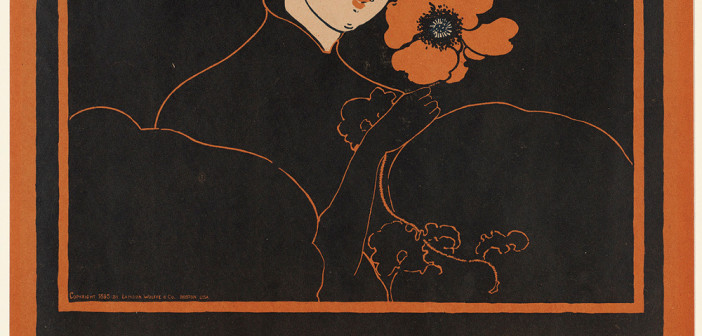
Declared “Photographer’s Row” in 1914 by Photo-Era Magazine, Boylston Street bustled with artists of all media in the decades just before and after the turn of the 20th century. With the Museum of Fine Arts and the Boston Public Library in Copley Square, Boylston and the Back Bay nurtured many vibrant arts organizations, such as the Boston Art Student Association, the Arts and Crafts Society and the Boston Art Club, in addition to a sizable art market along Newbury Street and studio spaces within private homes. Many of these spaces were occupied…
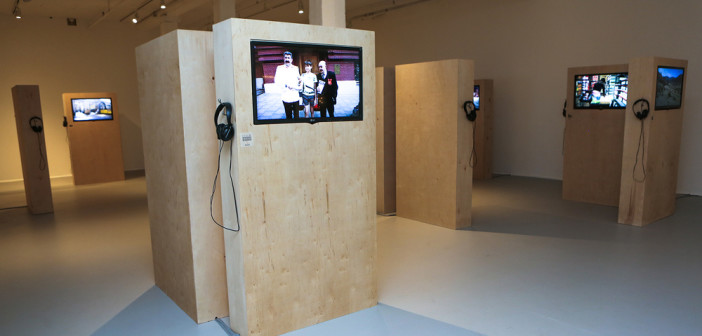
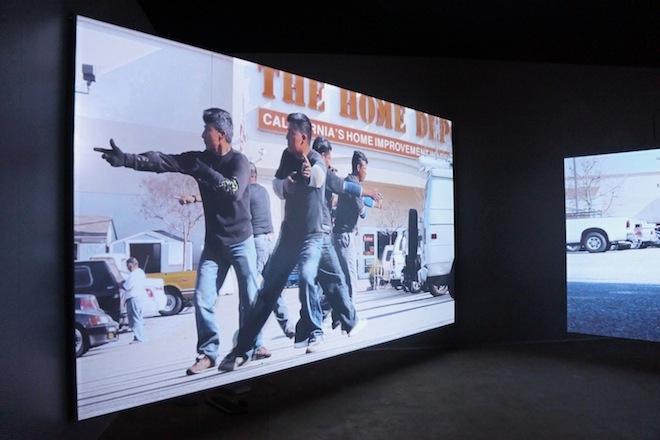
Labor in a Single Shot, a collection of documentary videos regarding work, is as straightforward as it sounds. On view this fall at the Mills Gallery at the Boston Center for the Arts, Antje Ehmann and Harun Farocki began curating the project in 2011, hosting workshops in fifteen cities where they dispatched artists to make short, single-shot videos depicting work in any form. All of the films are available online, appearing in a dense grid on the main page and, thankfully, also sorted by city under the “Workshops” tag. It is daunting…