





Newest Features
Guest curated by Dina Deitsch, On Exactitude in Science behaves more like a territory than a gallery. The space is fluidly shared, rather than divided, between the installations of Jennifer Bornstein, Aslı Çavuşoğlu, Jumana Manna, and Elizabeth McAlpine, and placed insightfully by Deitsch’s close readings of the works. Each artist communicates and re-presents place through materiality and tactile representations. Collectively, they capture not only architectural elements of a space, but the very place itself, using techniques such as: rubbings, castings, psychic readings, and recorded action to name a few. Deitsch’s coupling of these…
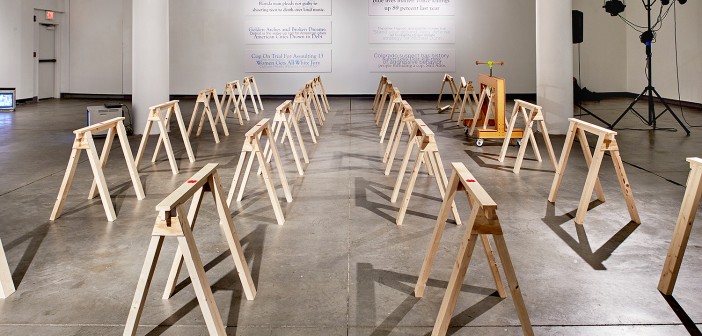
In today’s politically charged atmosphere, social unrest has become so ubiquitous that it has even become the subject of an exhibition in Portland, Maine–a city known more for its cobblestone streets and fine restaurants than for its raucous political scene. Despite, or perhaps because of, the soporific nature of day-to-day life and media exposure, it is the frantic and inflamed political circus that often seems to command the lion’s share of public attention. Echoing this condition, Tinderbox, on view at the Maine College of Art’s Institute of Contemporary Art through March 5th,…
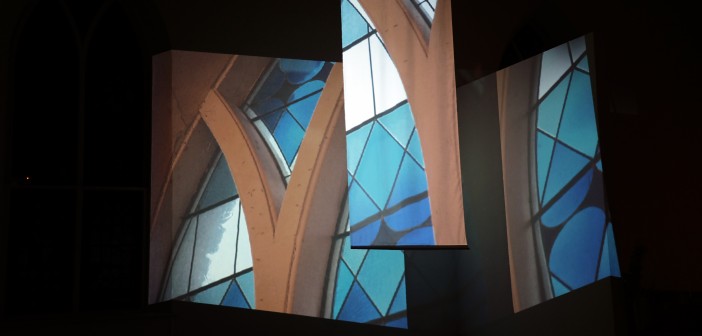
“Part of what fascinates us when looking at a map is inhabiting the mind of its marker, considering that that particular terrain of imagination overlaid with those unique contour lines of experience.” – Katherine Harmon, You Are Here: Personal Geographies and Other Maps of the Imagination One year ago, during the snow-laden winter months that brought over eight feet of powder to the Boston-area, I found myself at the North Shore Mall. Desperate the make the trip as quick-lived as possible, I headed towards the directory map. There, next to a giant…
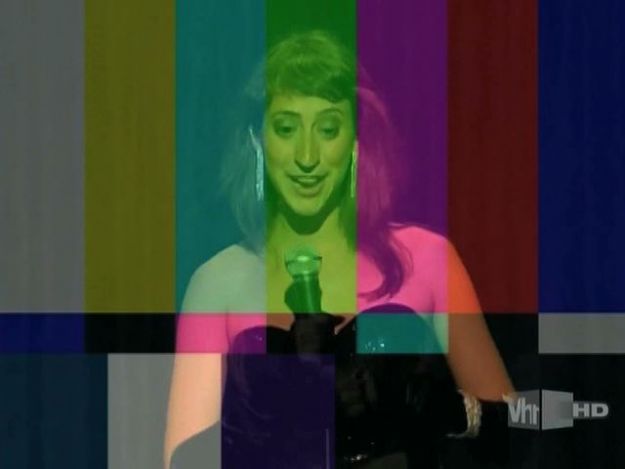
“You may or may not have real feelings for me,” says Frank Maresca in an episode of the VH1 show Frank the Entertainer…In a Basement Affair. Addressing the group of women competing to win his love, Frank goes on to note that “my feelings are the test here.” One of the women hearing these words and competing for these feelings is the artist Ann Hirsch, here playing a role as Annie, and presenting this show in the video Here for You (Or My Brief Love Affair with Frank Maresca) (2010), part of her…
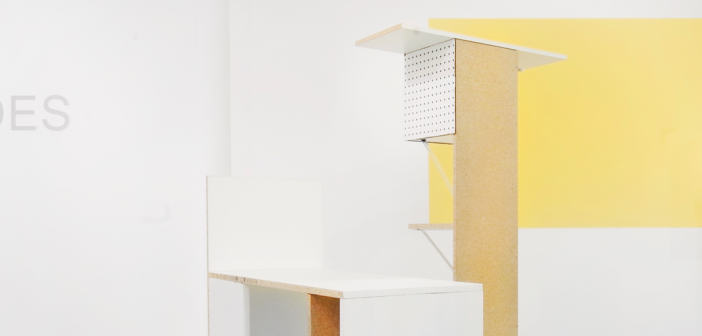
“Subtle, persistent revolt” is how GRIN owners and curators Corey Oberlander and Lindsey Stapleton describe their latest exhibit, Besides, on view through February 13. This succinct phrasing suggests small-but-continuous acts of resistance. The second installment in a two-part arc that began with November’s Again Again, Besides features five artists physically engaging in everyday actions meant to preserve individuality. The efficacy of these efforts is questioned, though straightforward critique is mostly absent. The artists focus on tailoring their own idiosyncratic responses to contemporary monotony. But where does the individual act of dissent stand…
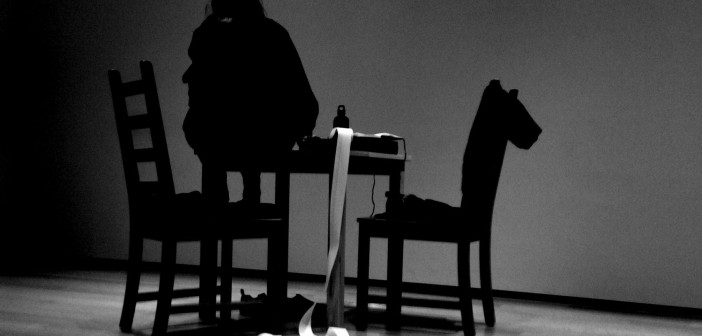
Exploring time in a new way every day within 6-hour durations through the show 100 Ways to Consider Time at the Museum of Fine Arts, Marilyn Arsem challenges audience members to contemplate time as a material. This multifaceted work of performance art incorporates the fascination Arsem has for time; its malleability and our ever-shifting perception of what it is and what it can be. She is working with a set of potentials, and each day within Gallery 261 she is testing the constants and variables of new actions in her performances. Arsem comes…
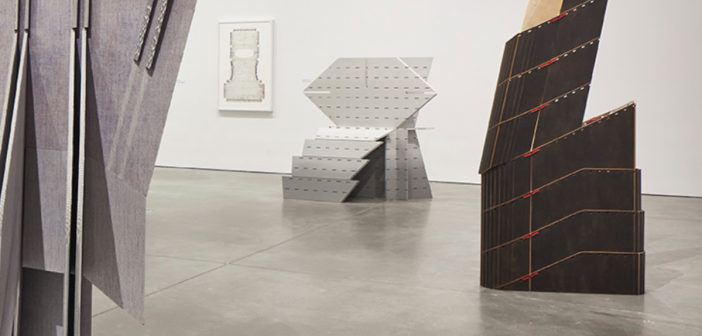
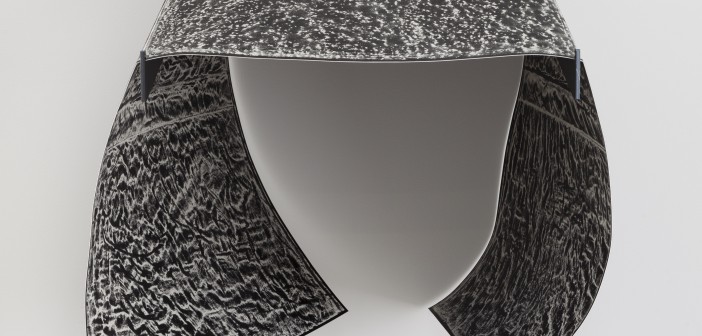
In Diane Simpson’s sculptures currently on view at the Institute of Contemporary Art, Boston, the regime of technical drawing collides with the pensile contingency of the textile. To make her sculptures, Simpson subjects the sartorial layer to exacting mathematical study. There is meticulousness to her diagrams and ensuing sculptural translations. Together, they seem to chase after a language or mathematical constancy underlying the history of human dress, what Thomas Carlyle called the “Architectural Idea” behind man (or woman’s) “habilatory endeavors.” But as her calculations proliferate, they lead her to strange results, so that her work seems to…
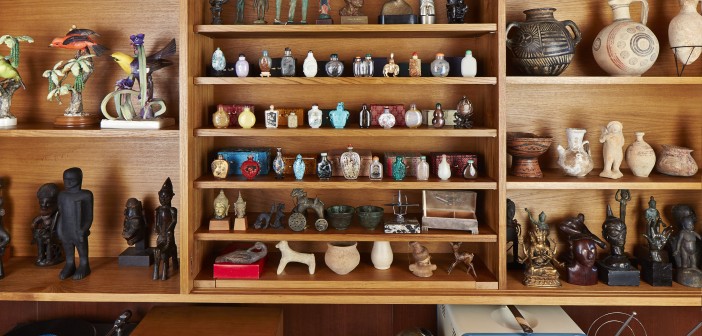
To step into The Undisciplined Collector, Mark Dion’s new permanent installation at the Rose Art Museum, is to enter a time capsule that has seemingly preserved the atmosphere of the institution’s founding year, 1961. The warm glow of lamplight cast on wood paneling offers an unexpected respite from the cool white walls of the galleries. The small, narrow space is arranged like a collector’s room with mid-century modern décor and objects from varying eras and geographic locales. Along one wall, paintings and prints dating as far back as 1603 hang salon-style above…