





Newest Features

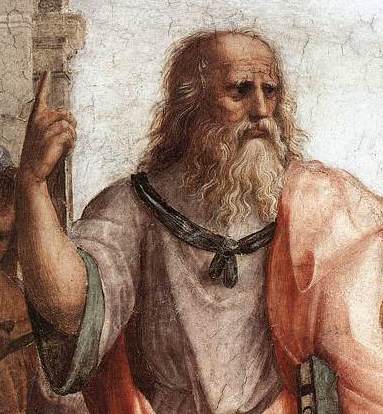
THERE ARE NO NEW IDEAS. PART 2 By Christian Holland Part 2 of a 3-Part Series. Click here for Part 1. Plato believed that any idea was attainable by an individual, but only because he thought knowledge is innate. In The Republic, Plato implied that there are not New Ideas, because all knowledge exists within us – within our souls. We merely just need to ‘recall’ an idea through a process he called anamnesis in order to discover or learn. Also, every ‘thing,’ already exists in its purest sense as a “form” whether…
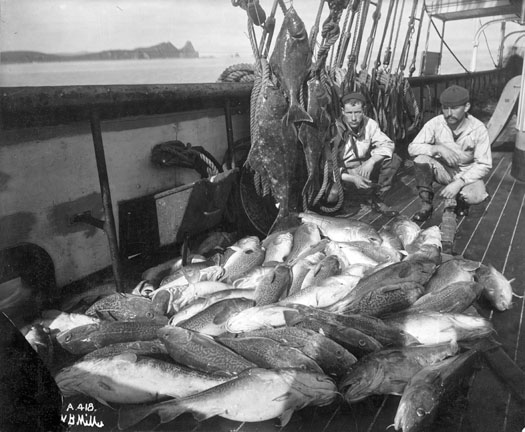
A LETTER FROM THE EDITOR By Matthew Gamber Consider the top image on the right. Admiring its pastness, one might ruminate on the good old days of fishing, when the activity was more pure. However, rather than depicting a lucky catch, this photograph shows the spoils of a commercial fishing expedition. Rudimentary as the tools would seem by today’s standards, the techniques used in fishing at the time of the photo were quite sophisticated. While immersed in the photo, one might come to the conclusion that those techniques are a lost art. Art,…
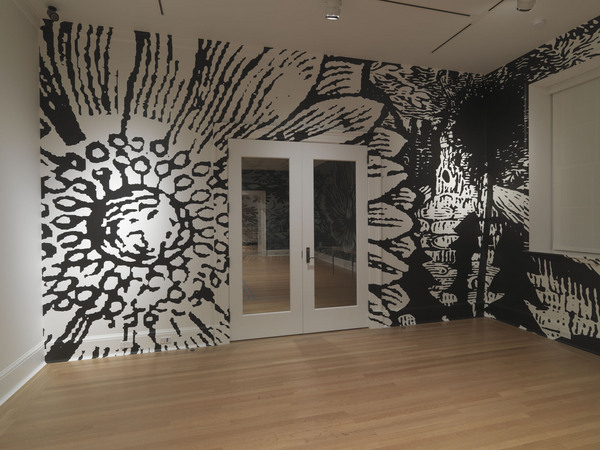
EXINE BY PAUL MORRISON AT THE RISD MUSEUM By Jon Petro Possibly the most impressive self-actualizing apparatus of the art world today is just how it manages to reinvent itself. Year after year, idiom after idiom and dialect after dialect, artists manage to find the new black and make art anew. This idea was reintroduced to me when I heard artist Carla Gannis state in an academic lecture that her recurring theme of Jezebel is a “reconceptualizing” of the idea of Jezebel itself. I’m paraphrasing, of course. I do believe that the idea…

ANDY WARHOL: OTHER VOICES, OTHER ROOMS @ THE WEXNER CENTER FOR THE ARTS By James A. Nadeau I have never been a huge fan of Andy Warhol (and this is my second Warhol exhibition review – go figure). His presence as a culture force is inescapable (especially for those of us who grew up in the eighties). I managed to navigate art school with a minimum of exposure. I can’t explain why exactly, but I felt that the immensity of his effect on culture made me less inclined to examine his work. It…
WHO STILL USES SNAILMAIL? (OH, & A NEW FEATURES UPDATE) By Big Red At Big RED & Shiny we encourage anyone with an event listing or announcement to post their info in our Listings section, since that is the quickest and easiest way to let our audience and editors know what is going on. However, sometimes you might want to send us something in the mail (donations and cookies are always welcome) and recently we changed our mailing address. Snailmail now goes to: Big RED & Shiny PO Box 15426 Boston, MA 02215…
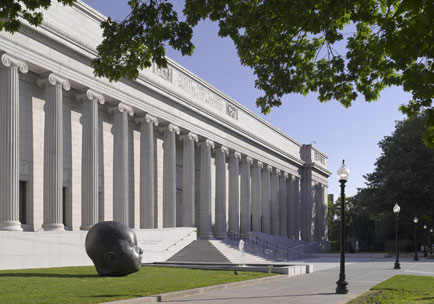
LOOKING BACK ON 2008 By Matthew Nash I have little doubt that, when we look back on the year 2008, it will be remembered for one thing above all others: change. Some of this change was for the better, some for ill, and much of it a bit of both. Only time will tell if soon-to-be-President Obama is really the change we need in that leadership role. Time, too, will tell if this economic downturn can result in a broad and positive impact in the long run. For arts institutions here in the…
LETTER FROM THE EDITOR (AND ANOTHER NEW FEATURE) By Matthew Gamber For the past few issues, there has been a flurry of comments along the tails of articles. The discussions have ranged from considered to caustic to comical. If you have wondered – yes, we read them. My opinion of it? I want to see more of it. If people are disappointed about the state of the arts, I want to see it; if people are excited about the current creative climate, I want to read it. This is a chance to write…

NEW IDEAS. NO, I MEAN IDEAS THAT NO ONE HAS HEARD OF BEFORE. By Christian Holland Part 1 of a 3-Part Series. I regret to inform you, but there are no New Ideas. I checked. When I began my quest to find out whether New Ideas were even possible, I checked with artists1. Artists, above all other creativity-dependent professionals, are consumed by the task of coming up with New Ideas. It’s true; one of the worst insults one could fling at a self-proclaimed artist is that their work is derivative. After “avant-garde” became…